
Canal-Side Villages in Focus: Architecture, Bridges, and Reflections

Join us as we explore photographing canal-side villages, celebrating the character of waterside architecture, the choreography of bridges, and the luminous reflections that double every story. You will gather field-tested techniques, creative prompts, and heartfelt anecdotes that help transform quiet banks, weathered stone, and rippled surfaces into expressive frames. Share your questions, experiments, and discoveries in the comments so our community can grow together through practical feedback and inspired, respectful conversation.

Golden Hour Along Quiet Quays

When the sun slips low, façades soften and reflections stretch into gentle ribbons that invite slower shutter speeds and careful framing. Work slightly off-axis to reduce glare, bracket exposures for complex highlights, and notice warm gradients sliding down stucco. Share a before-and-after in our discussion to compare metering approaches, white balance choices, and how a step to the left changed every reflection dancing beneath a modest pedestrian bridge.

Taming High-Contrast Midday Scenes

Harsh noon light ricochets across water, paving, and windows, quickly clipping detail. Seek open shade near arches, use a lens hood, and consider partial polarization without killing reflections entirely. Embrace high-key interpretations or black-and-white conversions that celebrate graphic shapes. Post your experiments and ask for critique on highlight recovery, shadow color casts, and whether a small change in vantage actually balanced the canal’s glitter with stonework texture.

Night Glow, Wet Cobblestones

After dusk, lamps graze bridges, and rain-slick streets mirror starbursts like sequins. Stabilize carefully, time footsteps, and test exposures that preserve color contrast between sodium warmth and cool sky. Try subtle motion in boats for living energy. Share your settings, tripod tips, and favorite corners where reflections hold still just long enough to layer architecture, silhouettes, and shimmering light without losing the intimate hush of a sleepy waterside lane.

Compositions Carved by Bridges

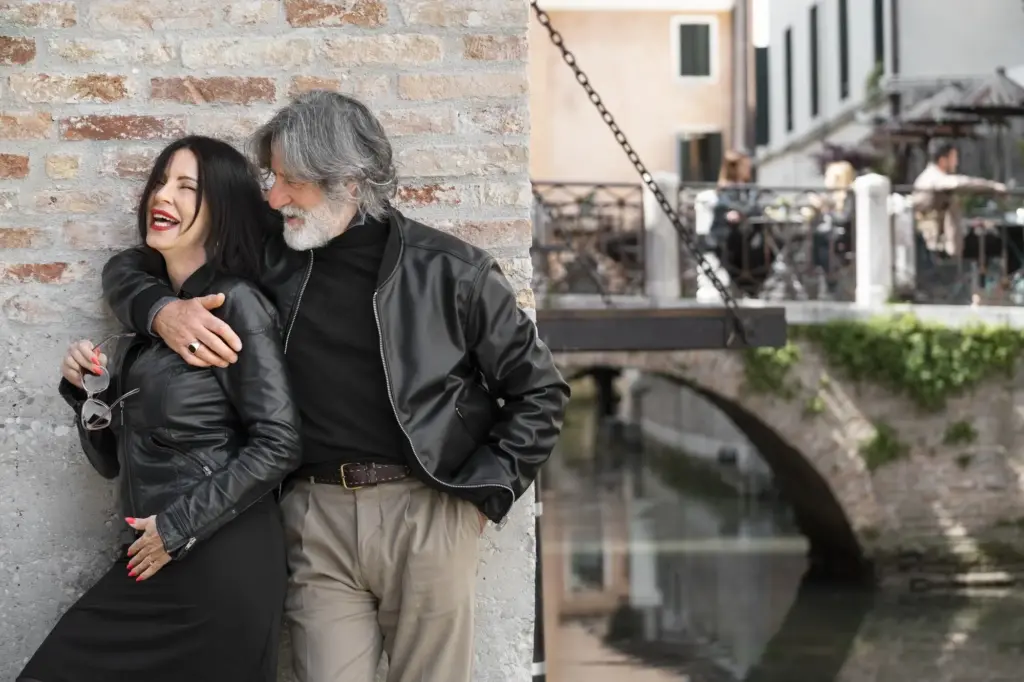
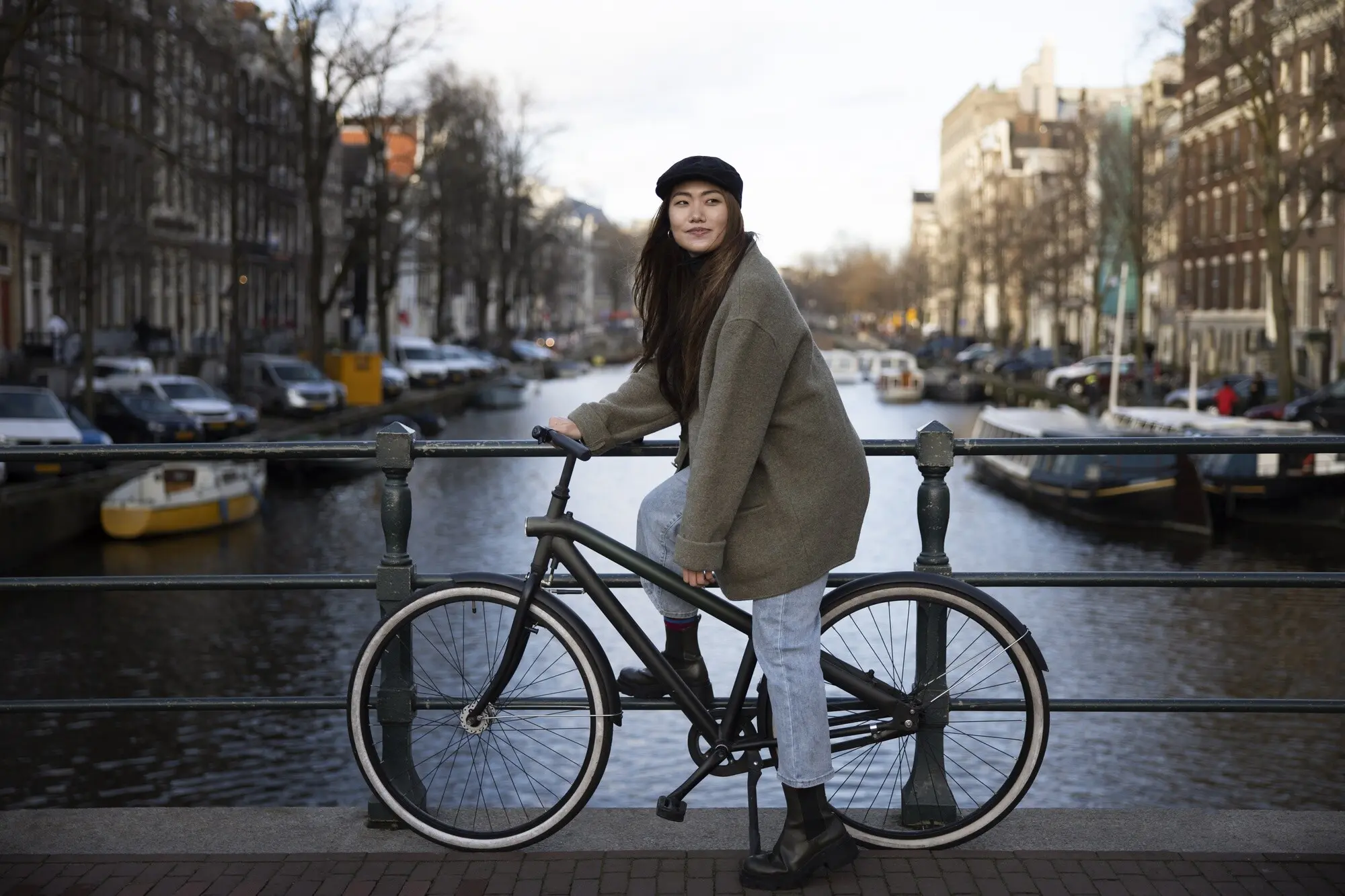
Bridges channel sightlines, carve negative space, and present readymade frames that guide viewers through layered stories. Their arches, railings, and stonework often echo façades and rhythms found along the quay. By pacing angles and choosing thoughtful heights, you can balance geometry with human scale, letting each span stitch buildings, sky, and water together into a coherent image that feels lived-in, navigable, and delightfully discoverable.

Textures That Tell the Age

Seek limewash drips, hand-chiseled stone, and timber patched with iron. Side light unlocks relief, while gentle editing preserves patience-worn edges. Resist over-sharpening that cheapens history. Post a sequence illustrating how moving your shoulder’s width revealed modest patterns, and describe what you learned about the craftspeople who left these marks, their tools, and the slow conversation between routine maintenance and the canal’s ceaseless, shaping breath.

Windows, Shutters, and Stories

Windows face water like watchful eyes, wearing shutters sun-bleached and practical. Frame them with respect, avoid peering into private interiors, and wait for small cues of life such as a curtain stirred by breeze. Experiment with square formats and soft vignettes. Invite feedback on how you balanced intimacy with discretion, preserved straight verticals, and kept reflections gentle enough to whisper rather than eclipse the quiet humanity behind those panes.

Reflections: Symmetry and Surprise

Reflections grant instant symmetry, dreamy distortions, and delicate inversions that expand space without widening lenses. Calm mornings gift mirror polish; breezes paint light into thoughtful smears. Decide whether to chase near-perfect alignment or court abstraction. Protect horizon accuracy, watch clutter, and leave edges breathing room. Then invite conversation: when does the upside-down world speak more truthfully than its source, and how do you keep that revelation feeling generous and clear?

Weather, Seasons, and Moving Water

Weather writes new stories on predictable streets. Mist cloaks bridges, rain polishes cobbles into mirror stages, and winter trims foliage for clean sightlines. Summer crowds add rhythm and color, while wind sketches mood into reflections. Approach each forecast as an invitation to see familiar scenes anew. Share seasonal series, settings that survived drizzle, and how you protected detail while honoring atmosphere, letting weather become collaborator rather than obstacle.

Mist and Soft Mornings

Mist quiets contrast and simplifies chaos, perfect for whispering tones and careful silhouettes. Manual focus may beat autofocus hunting against low micro-contrast. Meter gently and allow highlights breathing space. Share sequences revealing how fog shifted within minutes, transforming railings into ribboned shapes and boats into suggestions. Ask for critique on tonal separation, color casts, and whether your framing held enough structure to keep the scene emotionally legible and welcoming.

Rain-Polished Streets and Umbrellas

After showers, streets glow like stage floors, scattering neon ripples and lamp halos. Shield your lens, carry microfiber cloths, and angle for backlit raindrops near canal bends. Umbrellas add scale and color rhythms. Post your wet-weather workflow, discuss weather sealing, and compare edits that respect reflections without plastic gloss. Invite readers to vote on preferred contrast levels that keep puddles believable, stones tactile, and the atmosphere comfortingly human.

Life on the Banks

Canal-side photographs deepen when they honor daily rhythms: neighbors chatting across bridges, a baker’s crates arriving by boat, or a child chasing reflections along a low wall. Work gently, invite collaboration, and protect dignity. Seek gestures that reveal care, routine, and humor. Share your approach, ask for feedback on respectful framing, and celebrate moments where architecture, water, and people intertwine into small stories that feel true, generous, and lasting.

Ethics and Permission with Neighbors

Kindness travels faster than shutter speed. Engage, wave, and ask when appropriate. Offer to share images and respect every no. Avoid windows and private courtyards. In our comments, discuss scripts that feel natural, how to signal appreciation, and ways to build multi-visit trust so future photographs carry mutual pride, reducing tension and allowing the village’s quieter, more generous personality to appear without performance or defensiveness.
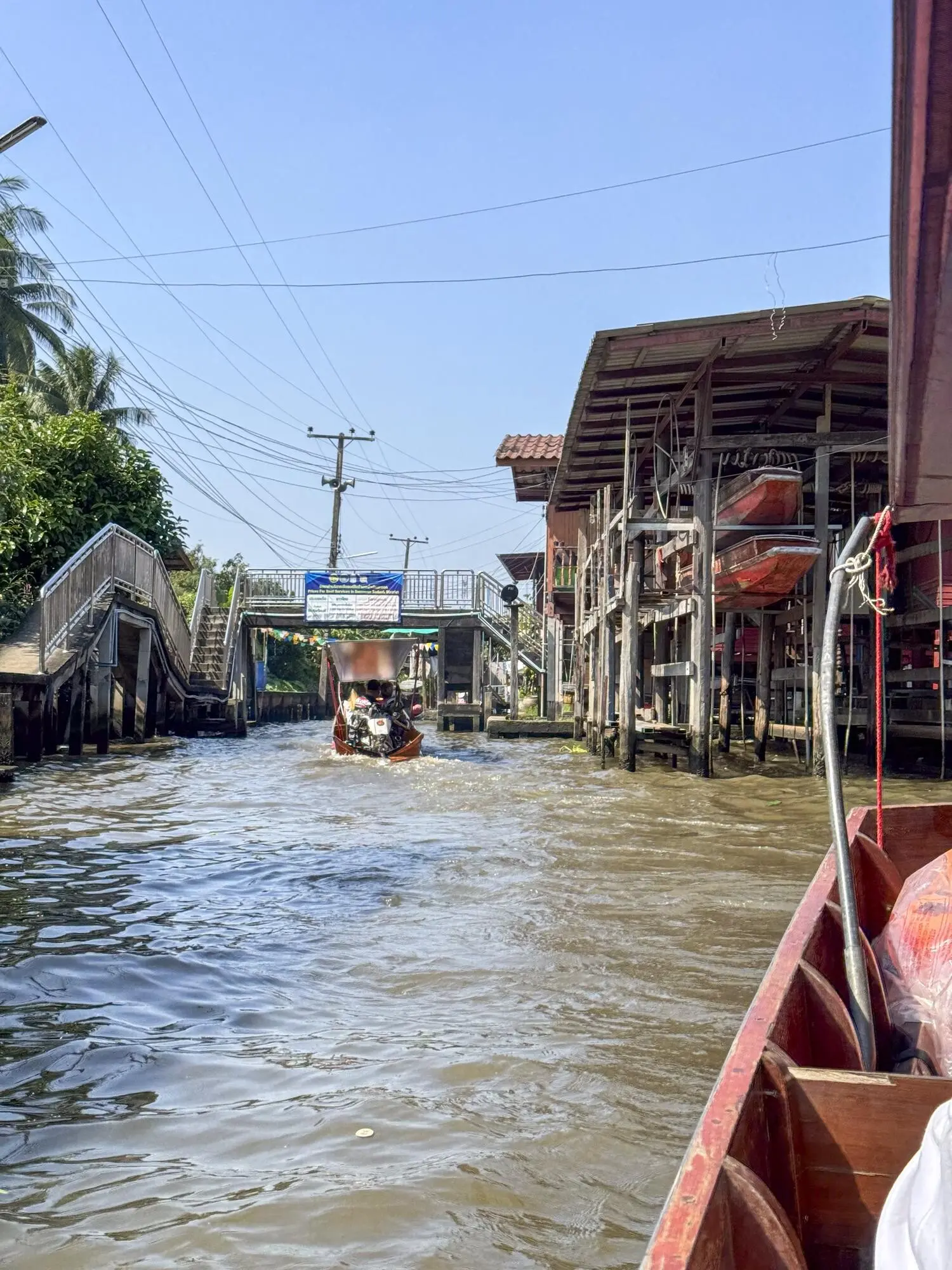
Boats as Rhythm and Scale

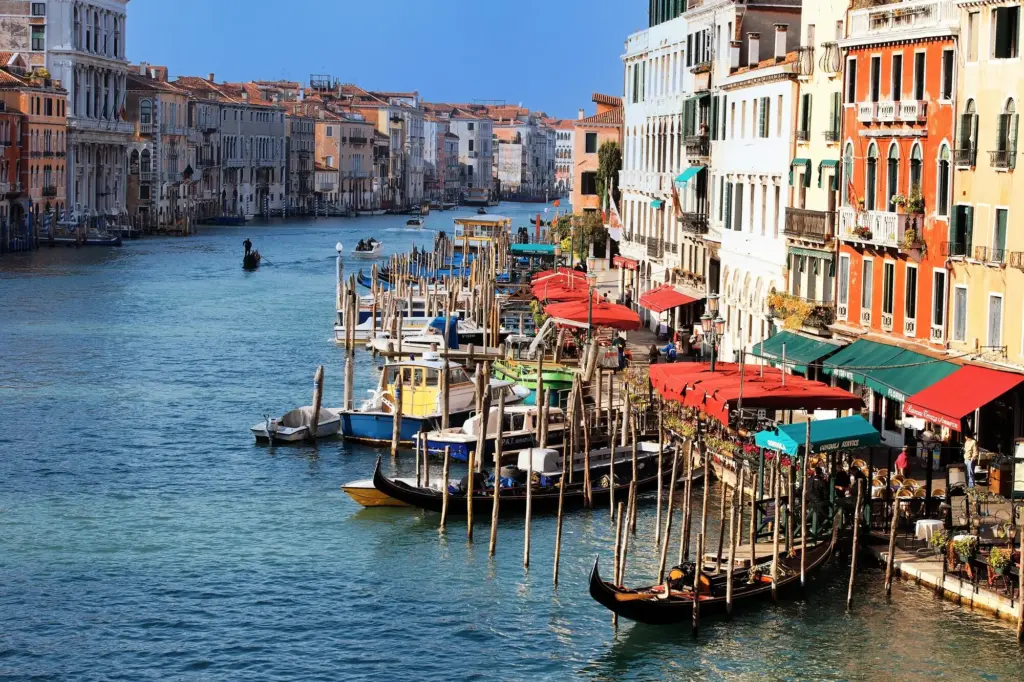
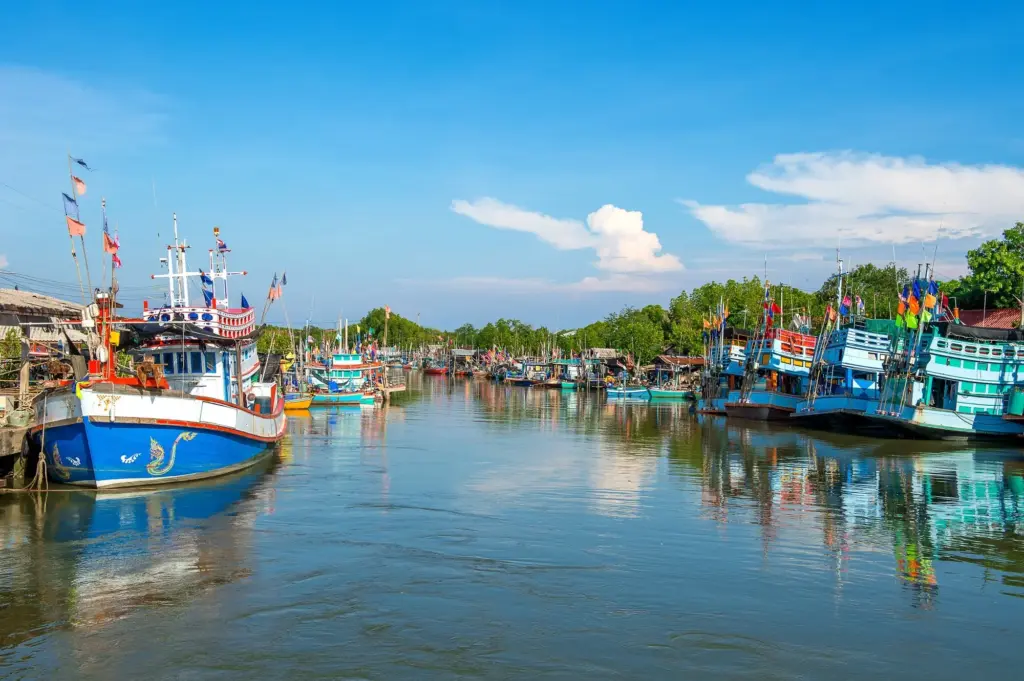
Working boats set the tempo, adding proportion, motion, and context. Time your frame for a gentle wake that guides attention through the scene. Consider panning for expressive blur against steady bridges. Share sequences showing how boat placement anchors structure, compare shutter choices, and ask peers whether a smaller craft or broader barge harmonized better with surrounding facades, reflections, and sky, keeping the photograph both navigable and emotionally grounded.
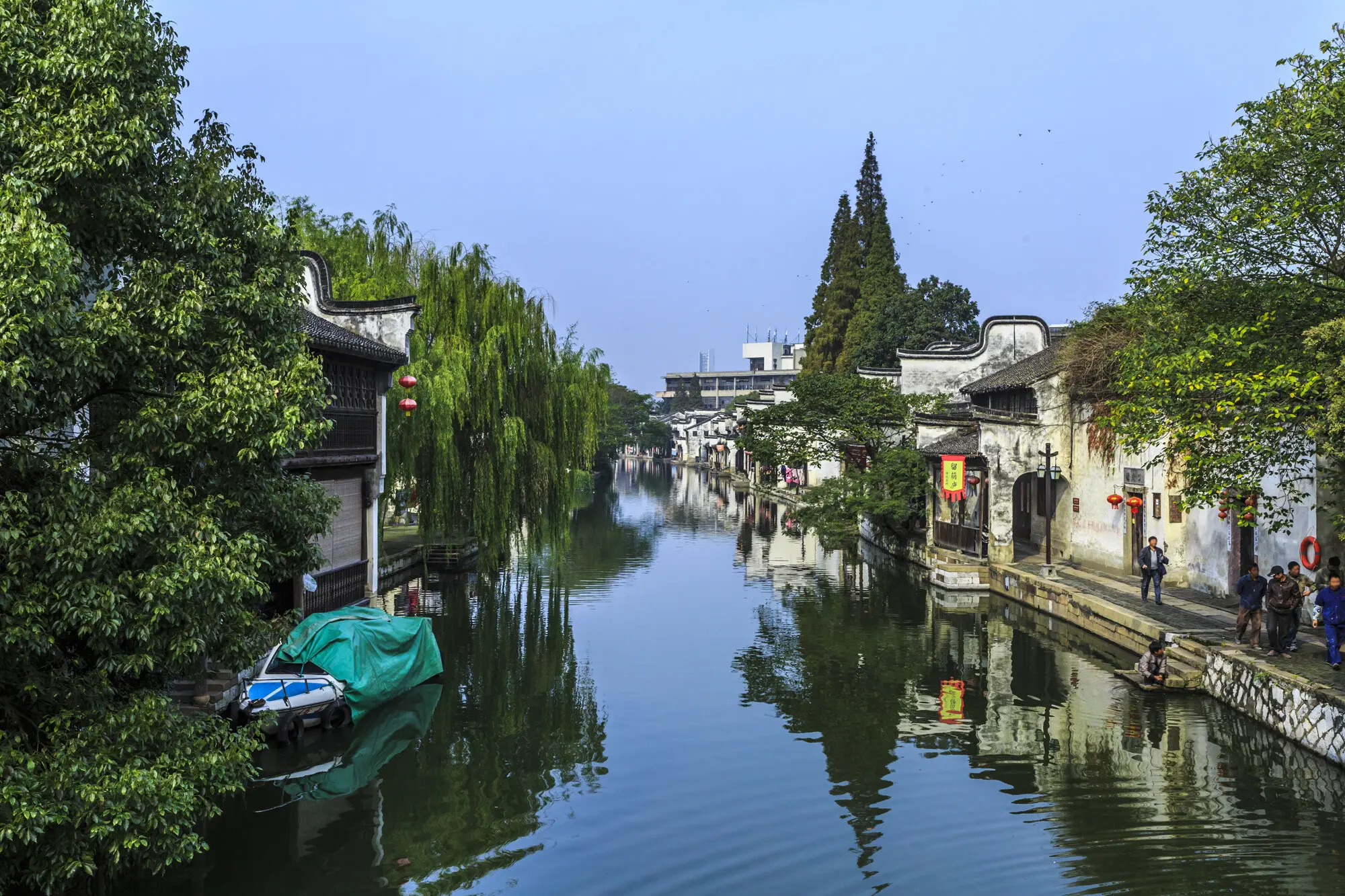
Markets, Laundry, and Honest Moments

Street details sketch character: striped awnings, baskets, clipped notes on doors, laundry casting playful shadows across water. Watch for micro-stories instead of staging. Work at human height, trim distractions, and let gestures breathe. Post a contact sheet tracing how a candid emerged respectfully, and invite critique on pacing, framing, and the balance between charm and cliché so the final image feels earned, sincere, and neighborly rather than ornamental.

Nexotorapirafaridaxi
Privacy Overview

This website uses cookies so that we can provide you with the best user experience possible. Cookie information is stored in your browser and performs functions such as recognising you when you return to our website and helping our team to understand which sections of the website you find most interesting and useful.